
What Is a Lab-Grown Diamond? Natural vs Lab Diamonds - A Guide to the Differences
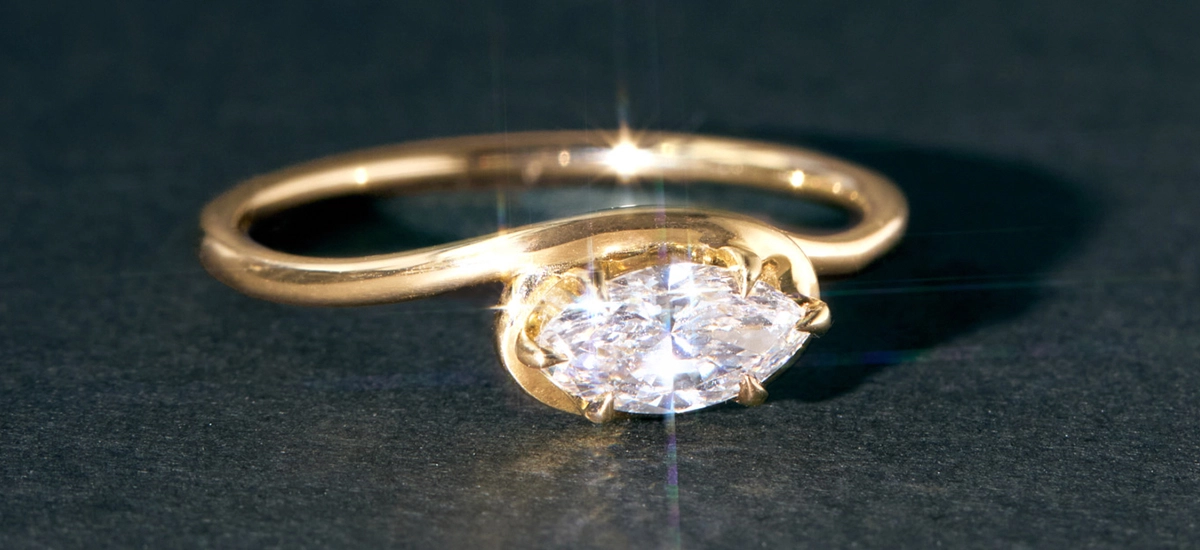
A diamond engagement ring marks a romantic milestone, and Catbird has been a trusted source for solid gold engagement rings and wedding jewelry since 2004. As lab-grown diamonds become an increasingly popular choice for center and accent stones, you may have questions about authenticity, quality, price, and sustainability. In the past 12 months, 3 out of every 4 Catbird diamond engagement rings sold have been made with lab-grown diamonds, as opposed to 1 out of every 4 rings purchased being a ring made with a natural recycled diamond. Both types of diamonds are lovely choices, but lab-grown diamonds are increasing in popularity.
Comparing lab-grown diamonds vs. natural diamonds can help you better understand options and find the Catbird engagement ring that speaks to you and symbolizes your love story.
In This Guide
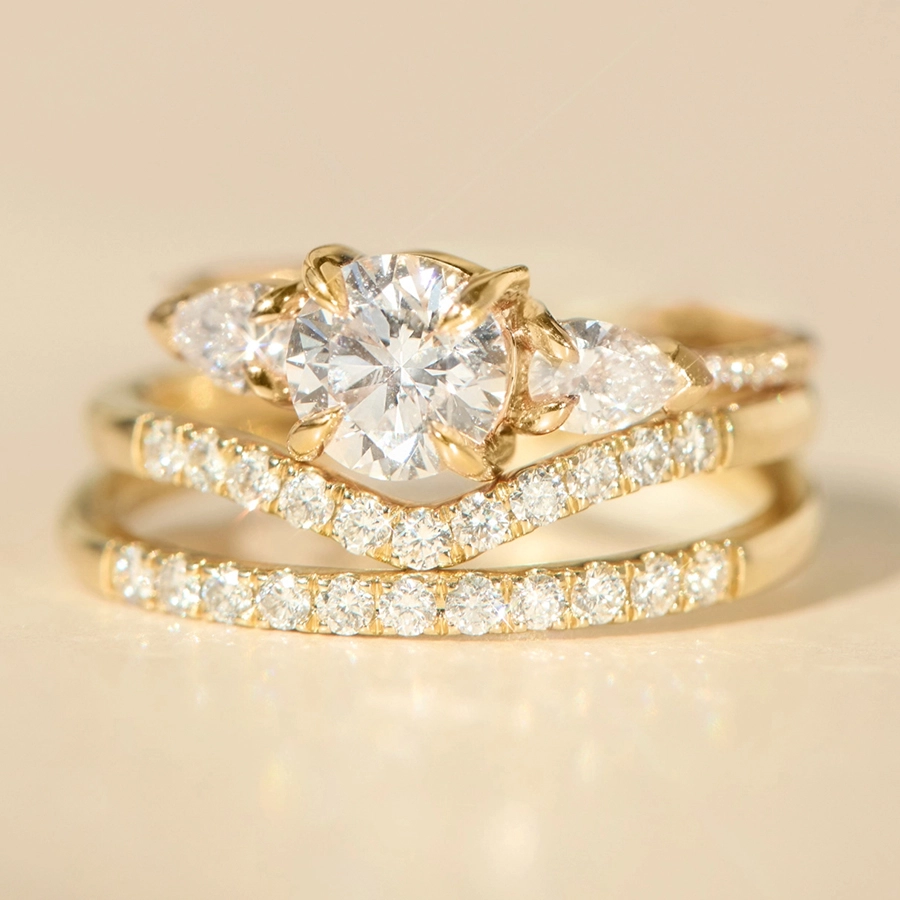
What Is a Lab-Grown Diamond?
Scientists and diamond industry professionals create lab-grown diamonds in controlled environments using various methods that mimic the carbon compression, extremely high temperature, and pressurized conditions under which natural diamonds form and crystallize deep within the Earth. Lab-grown diamonds have the same chemical composition, crystal structure, and brilliance as their natural counterparts1. Similar to natural stones, lab-grown options are available in various styles, from timeless white diamonds to distinctive lab-grown salt-and-pepper diamonds.
Are Lab-Grown Diamonds Real Diamonds?
Yes. Lab-grown diamonds are real diamonds that are chemically and physically identical to natural ones. They have the same hardness, sparkle, and optical properties, earning the same score of 10 on the Mohs Hardness Scale2. The beauty comes from the stone quality, not where it formed.
Because lab-grown and natural diamonds share the same physical and chemical properties, jewelers evaluate them using the Four Cs: cut, color, clarity, and carat weight3. Independent laboratories such as the International Gemological Institute (IGI), Gem Certification & Assurance Lab (GCAL), and the Gemological Institute of America (GIA) issue grading reports for lab-grown diamonds using standards similar to those used for natural diamonds.
Without specialized equipment, even experienced jewelers cannot reliably identify with the naked eye whether a polished diamond is natural or lab-grown.
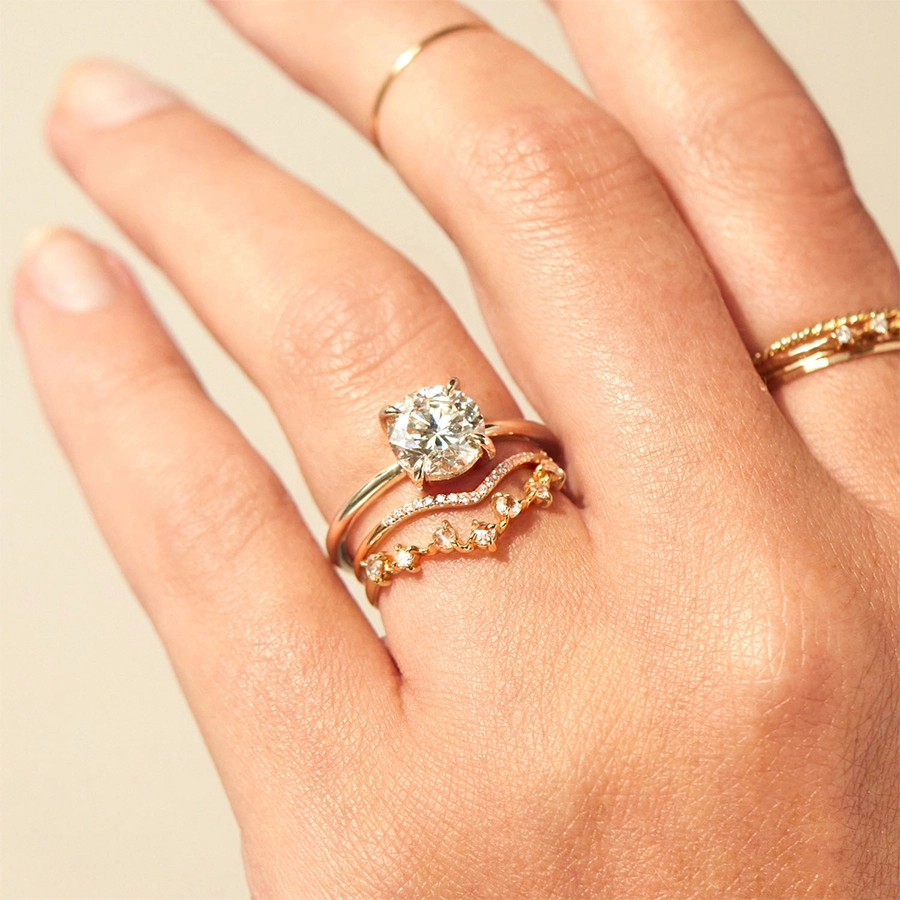
Lab-Grown vs. Natural Diamonds: What's Actually Different?
The methods used to create lab-grown and natural diamonds and the time it takes them to form are the primary differentiators. Whereas a natural diamond takes billions of years to form before reaching the Earth's surface, scientists and industry experts can create a laboratory-grown diamond in just a few weeks4.
How Lab-Grown Diamonds Are Made (HPHT & CVD)
Lab-grown diamonds are created using technology that reproduces the conditions under which natural diamonds form. Most laboratory-grown diamonds are produced using one of two methods: High Pressure High Temperature (HPHT) or Chemical Vapor Deposition (CVD).
High Pressure High Temperature (HPHT)
The HPHT process recreates the intense heat and pressure found deep within the Earth. A small diamond seed is placed inside specialized equipment with a carbon source. High temperatures and extreme pressure encourage carbon atoms to bond and grow into a diamond crystal.
High Pressure High Temperature was the first commercially successful method for creating gem-quality diamonds5 and continues to be used to produce high-quality stones in a range of sizes and shapes.
Chemical Vapor Deposition (CVD)
The CVD method uses lower temperatures and less pressure than the HPHT approach. A diamond seed is placed inside a sealed chamber filled with carbon-rich gases. As the gases heat, carbon atoms separate and gradually attach to the seed layer by layer, allowing the diamond crystal to grow over time6.
Many modern lab-grown diamonds are produced using CVD because technicians have better control over different elements like size. Some diamonds may also receive additional HPHT treatment after growth to enhance color or remove certain characteristics before cutting and polishing6.
The Finished Diamond
After the crystal grows into a diamond, the stone is cut, polished, and graded using the same Four Cs as natural stones. They offer the same durability and everyday wearability as natural diamonds and receive grading reports from respected gemological institutions.
Lab-Grown Diamonds for Engagement Rings: Price, Ethics & Sourcing
Lab-grown diamond engagement rings give couples more options at lower price points than natural diamonds of similar size and quality. Advances in diamond-growing technology have also made a wider variety of cuts and shapes available, giving individuals more options as they search for a ring that will last forever.
Price and Value
Price is often one of the biggest considerations. On average, a couple selecting a lab-grown engagement ring might spend roughly $4,900 compared to the $7,600 they might spend for a mined diamond engagement ring7. That lower average price may allow some couples to choose a larger center stone or invest more in a custom setting while staying within their budget.
Ethics and Sustainability
Questions about sourcing, environmental impact, and production practices have become part of the decision-making process.
A diamond's impact depends on certain factors, including how it's produced, where it's sourced, and the standards followed throughout the supply chain. Both natural and lab-grown diamonds can be responsible choices when they're sourced with transparency and care8.
Catbird's Approach to Diamond Sourcing
At Catbird, thoughtful sourcing guides everything we do. Our lab-grown diamonds are produced in certified facilities focused on lower energy use and emissions. Every lab-grown center stone is independently graded by organizations such as IGI or GCAL.
Our natural diamonds come from suppliers who certify responsible, conflict-free mining. We also offer reclaimed diamonds that have been returned to the diamond supply chain (requiring no new mining).
Understanding the differences between lab-grown diamonds and natural diamonds makes it easier to choose the stone that best reflects you.
Ready to find your forever diamond? Explore our collection of heirloom-quality natural and lab-grown diamond engagement rings and wedding bands.
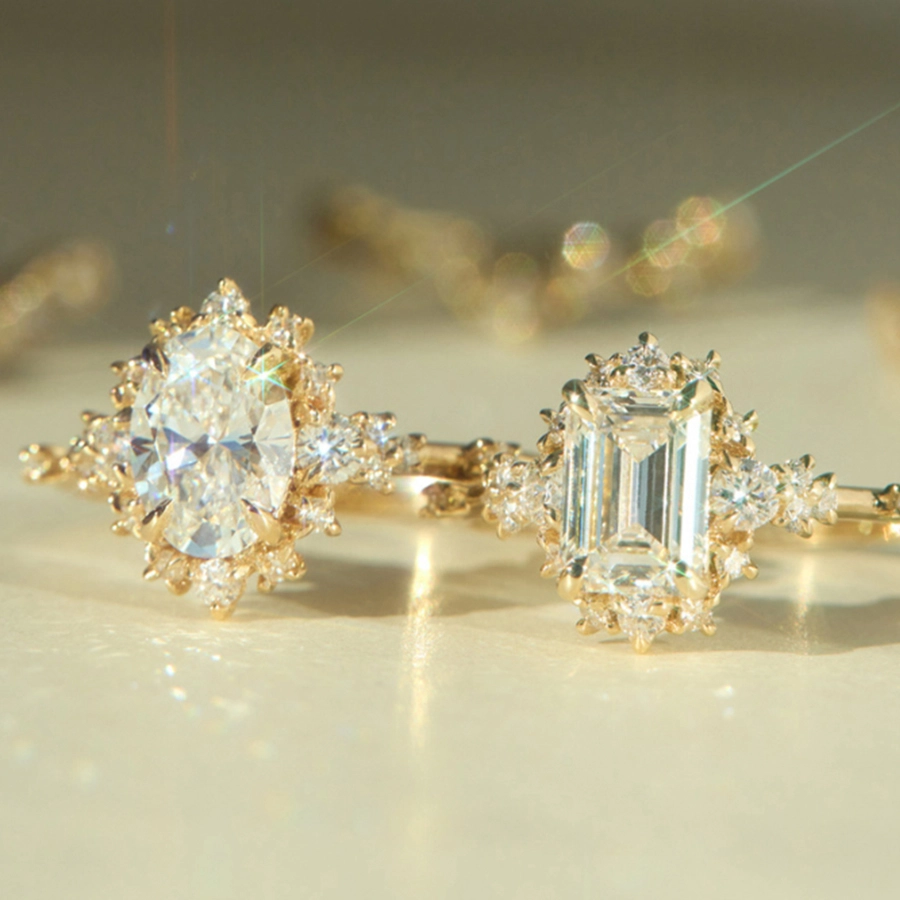
Here are some of our favorite diamond rings that are available in your choice of natural or lab-grown diamonds:


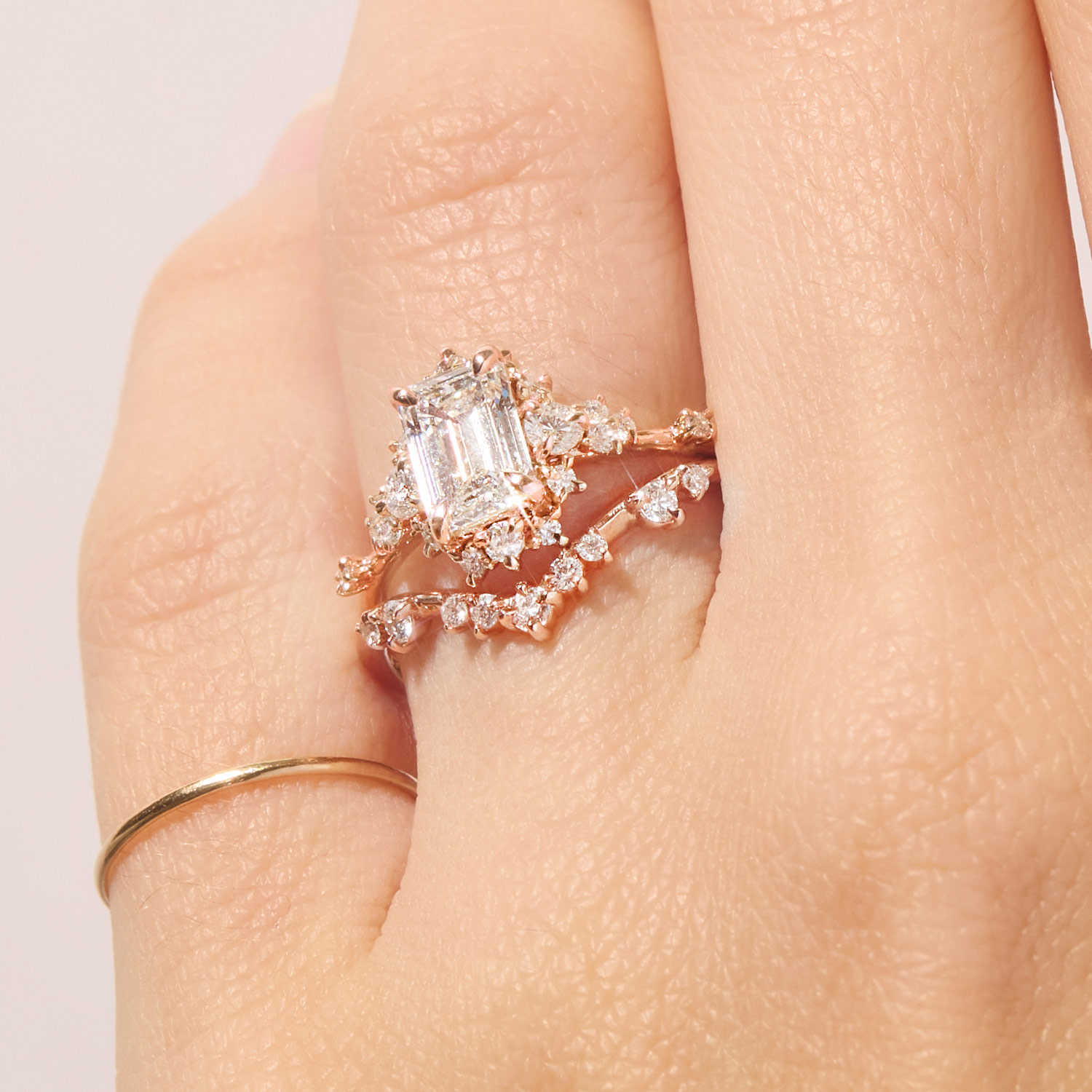

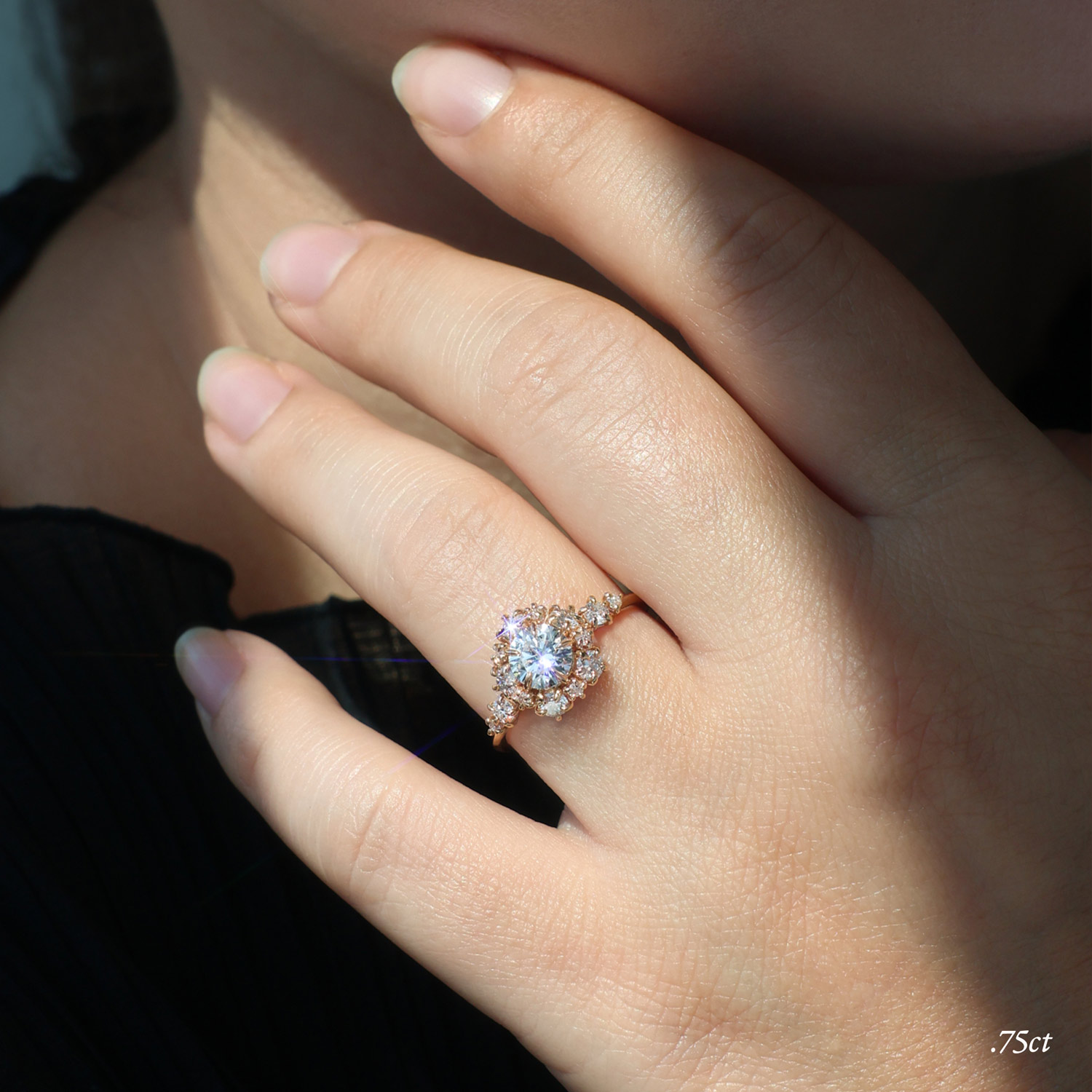

FAQ
Are lab-grown diamonds real diamonds?
Yes. Lab-grown diamonds are real diamonds. The difference is origin, not authenticity. Natural diamonds are formed beneath the Earth over billions of years. Lab-grown diamonds are grown in laboratories using technology that replicates the same crystal-growing process in less time.
Can a jeweler tell a lab-grown diamond from a natural one?
Not by appearance alone. Lab-grown and natural diamonds look alike and share the same chemical and optical properties. Determining a diamond's origin generally requires specialized equipment and testing performed by a gemological laboratory9.
Do lab-grown diamonds pass a diamond tester?
Yes. A standard diamond tester is designed to confirm that a stone is a diamond, and lab-grown diamonds are real diamonds. Determining whether that diamond is natural or lab-grown requires more advanced testing performed by a gemological laboratory.
How much cheaper are lab-grown diamonds than natural diamonds?
The price difference depends on the cut, color, clarity, and carat weight. In general, lab-grown diamonds cost less than comparable natural diamonds. The lower cost of lab-grown diamonds makes it possible for buyers to choose a larger center stone while staying within budget.
Are lab-grown diamonds ethical and sustainable?
Sustainability depends on more than whether a diamond is natural or lab-grown. Production methods, energy sources, and sourcing practices all play a role. Choosing a jeweler that is transparent about its sourcing can help you better understand your options.
Resources:
- Lab-Grown Diamonds FAQ. International Gem Society. Retrieved July 29, 2026, from https://www.gemsociety.org/article/lab-grown-diamonds-faq/
- Are Lab Grown Diamonds Real? International Gemological Institute. Retrieved July 29, 2026, from https://www.igi.org/are-lab-grown-diamonds-real/
- Diamond Carat Weight (The 4Cs). Gemological Institute of America. Retrieved July 29, 2026, from https://www.gia.edu/gia-about/4cs-carat
- Luke, A.J. (22 September 2017). Man-made Diamonds: Questions and Answers. Gemological Institute of America. Retrieved July 29, 2026, from https://www.gia.edu/gia-news-research/manmade-diamonds-questions-answers
- (4 February 2013). Synthetic Diamonds: From Dark Industrials to Bright Gems. Retrieved July 29, 2026, from https://www.gia.edu/gia-news-research-synthetic-diamonds-dark-industrials-bright-gems
- (25 July 2016). HPHT and CVD Diamond Growth Processes: How Lab-Grown Diamonds Are Made. Gemological Institute of America. Retrieved July 29, 2026, from https://www.gia.edu/gia-website/hpht-and-cvd-diamond-growth-processes
- (10 March 2025). More Couples Are Choosing Lab-Grown Diamonds vs. Natural for Engagement Rings. CNBC. Retrieved July 29, 2026, from https://www.cnbc.com/2025/03/10/more-couples-are-choosing-lab-grown-diamonds-vs-natural-for-engagement-rings.html
- O'Malley, I. (13 February 2024). The Dirty Truth About Lab-Grown Diamonds. Fast Company. Retrieved July 29, 2026, from https://www.fastcompany.com/91028544/the-dirty-truth-about-lab-grown-diamonds
- How Do I Identify Laboratory-Grown Diamonds? Gemological Institute of America. Retrieved July 29, 2026, from https://www.gia.edu/FAQ/gia-faq-analysis-grading-identify-laboratory-grown-diamonds